For many homeowners, buying air conditioning is something they’ve never done before. You may know you want a cooler home during summer, but beyond that, the process can seem confusing.
How many units do you need? Will it be noisy? Is it expensive to run? Can it also heat your home in winter?
These are all perfectly sensible questions, and they’re some of the first things we hear from customers considering air conditioning for the first time.
Here’s a straightforward guide to help you understand what to expect.
1. Do I Need Air Conditioning in the UK?
This is probably the biggest question.
Years ago, air conditioning was considered a luxury. Today, with hotter summers, better-insulated homes and more people working remotely, it’s becoming an increasingly practical investment.
A modern air conditioning system doesn’t just cool your home. It also:
- Provides efficient heating during colder months
- Improves air circulation
- Removes excess humidity
- Filters dust, pollen and airborne particles
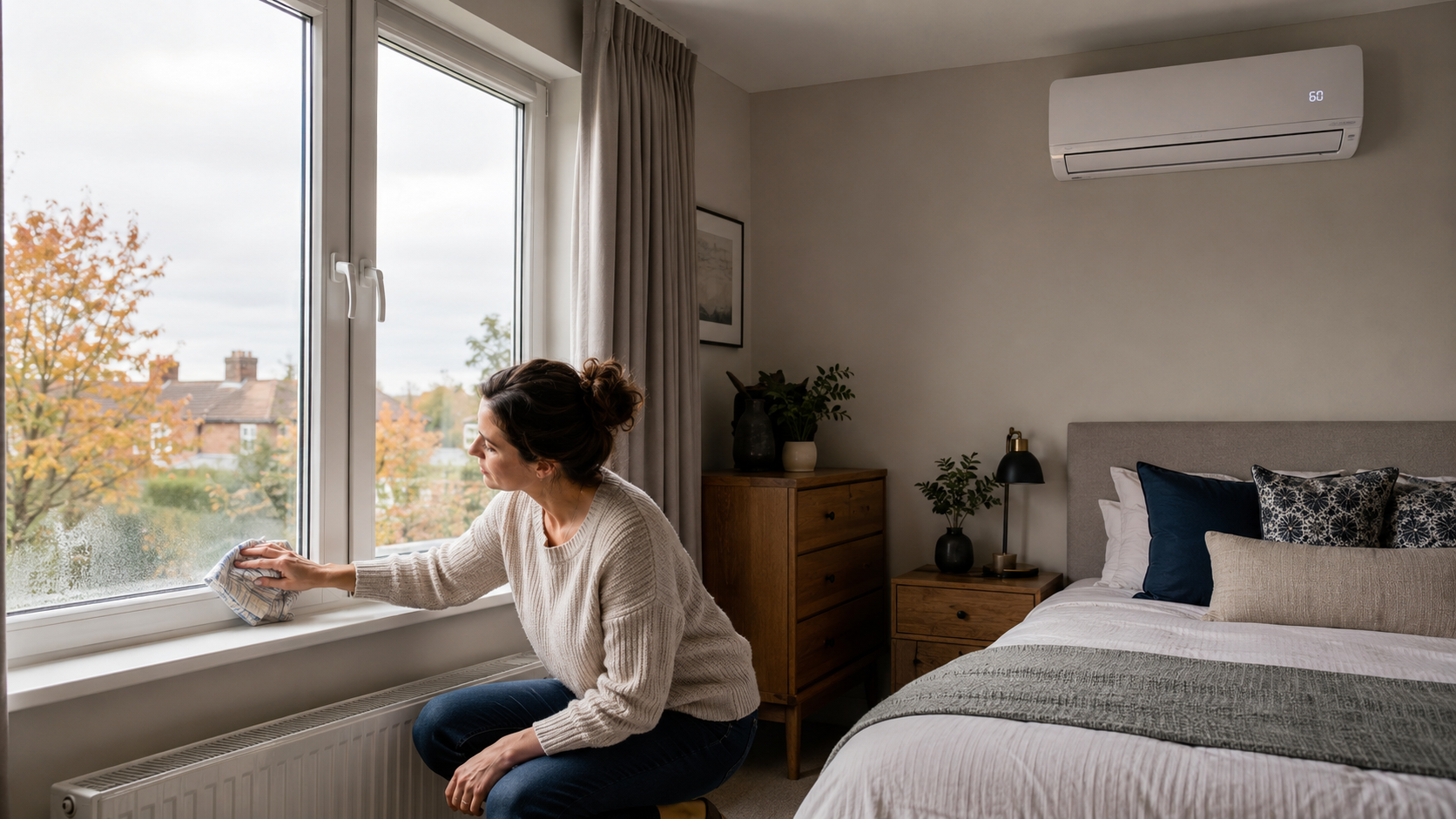
- Creates a more comfortable sleeping environment
Many homeowners are surprised to discover they use their system for heating almost as much as cooling.
2. Which Rooms Should I Air Condition?
You don’t necessarily need to install air conditioning throughout your entire house.
Popular choices include:
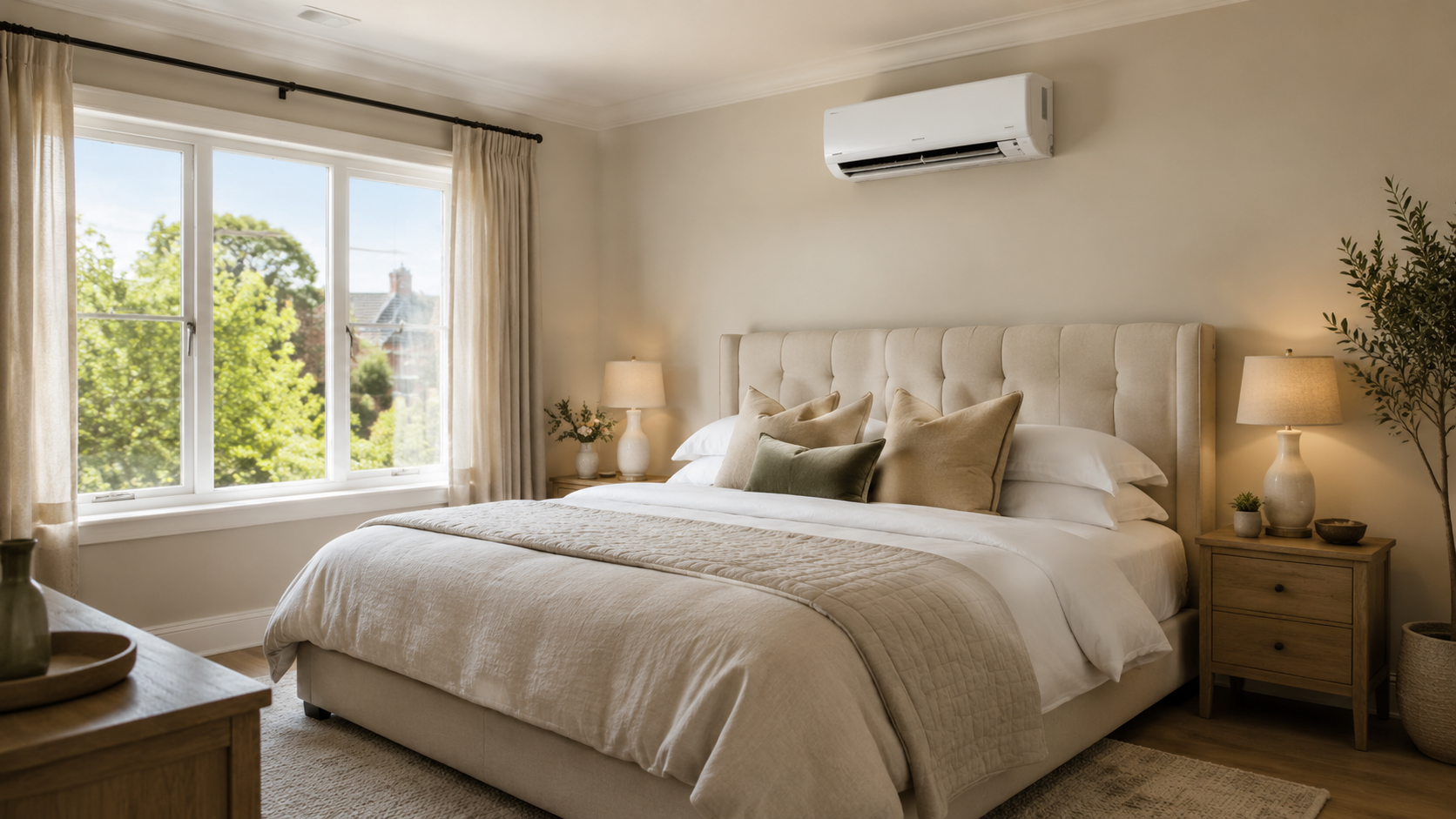
- Bedrooms for a better night’s sleep
- Home offices
- Living rooms
- Garden rooms
- Loft conversions
Many customers start with one room and add additional units later if they find the benefits worthwhile.
3. Will It Be Expensive to Run?
Modern air conditioning systems are far more energy efficient than many people realise.
Inverter technology allows the system to maintain the desired temperature without constantly switching on and off, helping reduce electricity consumption.
The exact running cost depends on:
- Room size
- Temperature settings
- Outside temperature
- Frequency of use
- The efficiency rating of the unit
When used sensibly, many homeowners find the running costs lower than expected.
4. Is Air Conditioning Noisy?
Not anymore.
Modern domestic air conditioning systems are designed to operate quietly.
Indoor units typically produce little more noise than a gentle fan, making them suitable for bedrooms, nurseries and home offices.
Most people quickly forget the system is even running.
5. Can It Heat My Home Too?
Yes.
This is one of the biggest advantages of modern air conditioning.
Rather than creating heat, air source heat pump technology transfers heat from outside into your home, making it an extremely efficient way to warm a room.
During spring and autumn, many homeowners choose air conditioning instead of turning on their central heating.
6. Will Installation Make a Mess?
Professional installation is usually quicker and less disruptive than people expect.
A typical installation often takes a single day, depending on the number of indoor units being fitted.
Installers use protective coverings where needed, tidy up afterwards and position pipework as discreetly as possible.
7. Where Will the Indoor Unit Go?
The location depends on the room layout, but common positions include:
- High on a bedroom wall
- Above a doorway
- On a living room feature wall
- In a home office where airflow reaches the entire room
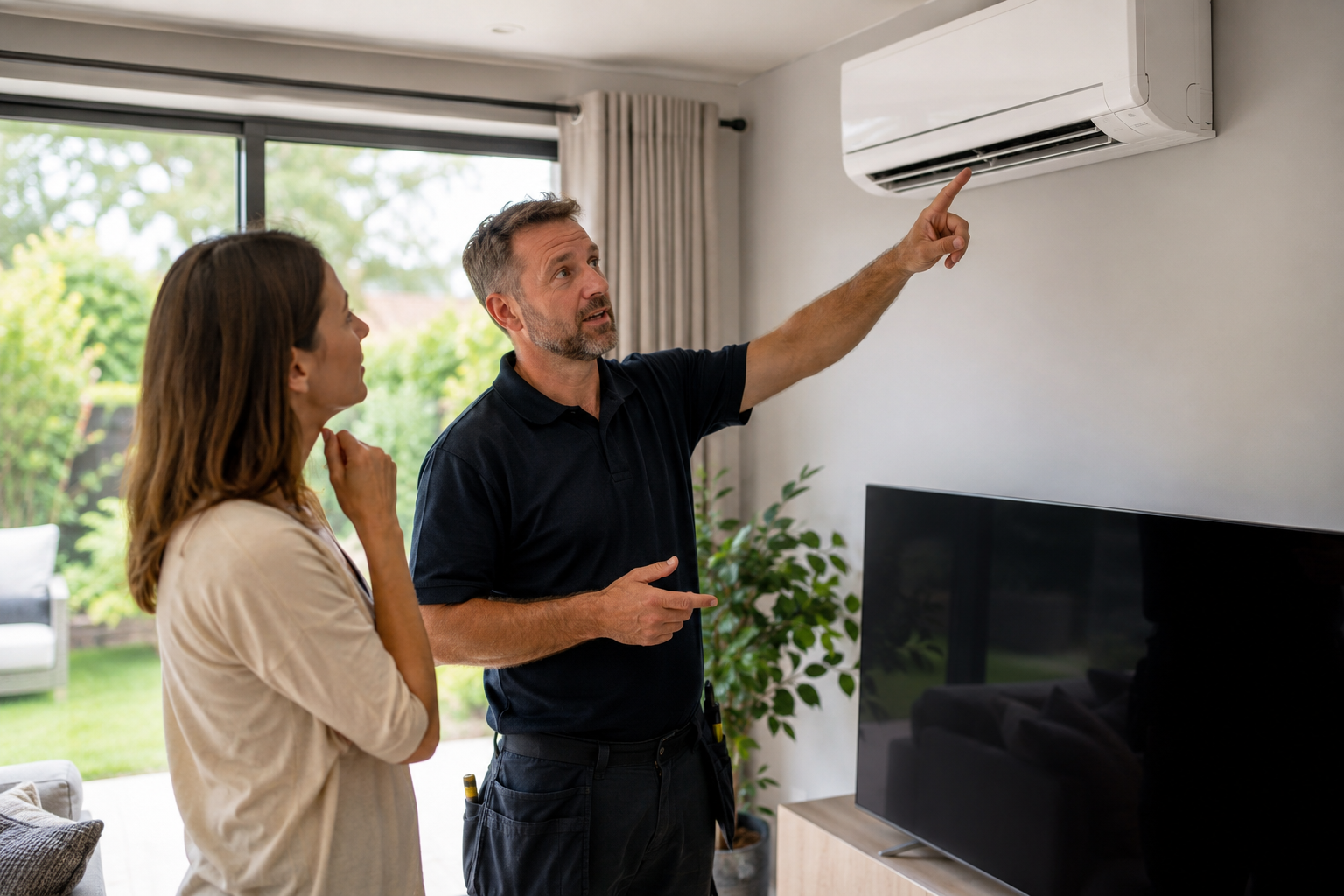
Your installer will recommend the best position for efficient cooling while keeping the unit as unobtrusive as possible.
8. Do Air Conditioners Need Servicing?
Like any heating or cooling appliance, regular servicing helps keep everything working efficiently.
Routine maintenance typically includes:
- Cleaning filters
- Checking refrigerant levels
- Inspecting electrical components
- Cleaning the indoor and outdoor units
- Testing overall performance
Regular servicing can improve efficiency, extend the lifespan of the system and help prevent unexpected breakdowns.
9. Will It Improve Air Quality?
Yes.
Most modern systems include multi-stage filtration that captures dust, pollen and other airborne particles.
While air conditioning isn’t a replacement for medical-grade air purification, many allergy sufferers appreciate the cleaner, fresher indoor environment it helps create.
10. How Do I Choose the Right System?
This is where professional advice really matters.
Choosing the biggest unit isn’t always the best option.
A correctly sized system will:
- Cool more efficiently
- Use less electricity
- Maintain a more consistent temperature
- Last longer
- Provide greater comfort
An experienced installer will assess your room size, insulation, window orientation and how you use the space before recommending the most suitable solution.
Ready to Explore Air Conditioning for Your Home?
Buying air conditioning for the first time doesn’t need to be complicated. Once you understand the basics, choosing the right system becomes much easier.
Whether you’re looking to keep a bedroom cool during summer, create a comfortable home office or enjoy year-round heating and cooling, a professionally designed system can make a noticeable difference to everyday comfort.
If you’re considering domestic air conditioning, speaking with an experienced installer is the best place to start. They can assess your property, explain your options and recommend a system that’s right for your home and your budget. If you’re based locally, you can also find out more about our air conditioning services in Basildon.